|
-Regarding
Contents of Carbohydrate of SEAHERB FUCOIDAN and PURE SKIN and Its
Physiological Function
I
Introduction
Observing the content of formation of marine plants, generally, the content of carbohydrate is high, and especially the blossom of algae, based on dried items, has a distinctive feature to contain up to about 67% of carbohydrate.(National Fisheries Promotion Board, 1989;Oishi, 1944; Cho, et al.,1955)
And, these multi-sugars of carbohydrate contained in the blossom of algae are mostly formed with Fucoidan(about 70-80%), Laminaran and Alginic acid (Nishide, 1981 ; Aisha, 1944; Kim, et al., 1955), and there is a difference in content of Fucoidan and alginic acid of the brown algae in accordance with by part and, harvest time and place.(10-30%)
It is well known that Fucoidan, Laminaran and Alginic Acid hardly absorbed by the body (7%) due to the fact it is a giant molecule.
And, it is the situation that development of new extract processing method to increase absorption rate and producing products are keenly required.
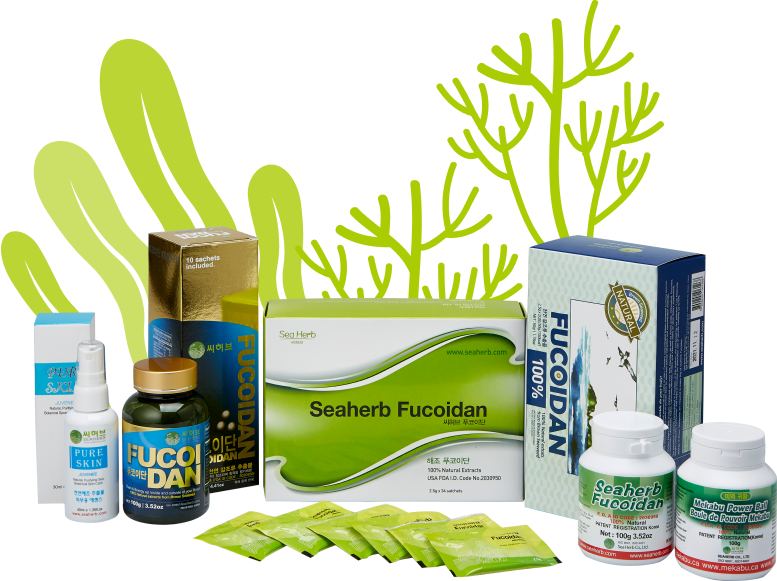
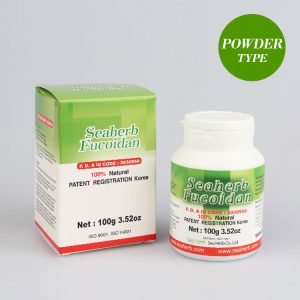
Sea Herb Co., Ltd. has developed the SEAHERB FUCOIDAN of the new extract processing form, called ¡°low molecular weight compound technology,¡± with increasing absorption rate up to 57%, with the raw material of the 15 species of seaweeds and herbs
Of this nutrition, regarding SEAHERB FUCOIDAN which is natural supplement, the writer would like to write its physiological function as follows:
2. PHYSIOLOGICAL FUNCTION OF ALGINIC ACID of SEAHERB FUCOIDAN
In order to study the fundamental knowledge on alginic acid, observing its structure, it is as Fig.2.
 
Alginic Acid is contained only in the seaweed, which exists as the cell wall or cell distance substance and differs in accordance with the kind of seaweed, but is contained up to about 20-50%, and compared with animals, it functions an important role to form physique.
a) Function of Heavy Metal Discharging Outside the Body
It is already well known that the seaweed plays a role to concentrate various metal ions etc., in the sea water by themselves. The fact that these seaweed absorb and discharge outside the body especially heavy metal, etc. from human body, is widely examined and recognized in the academic circle. This function is explained as Fig.3

Sr existing in diet or blood, and bone combined with NaAlg and Na is separated, and heavy metal combines with alginic acid, which is extracted outside the body as combined substance, which does not function. (Fumio Kasahara, et.al)
That is heavy metals, Cu, Pb, Co, and Zn are effected to be extracted outside the body by such principle.
On these days when the environmental pollution in our daily life has become very serious problem, if we take a little quantity of these substances from the air or diet, these will be accumulated in our body for a long time and we may face with difficulty before we knew it.
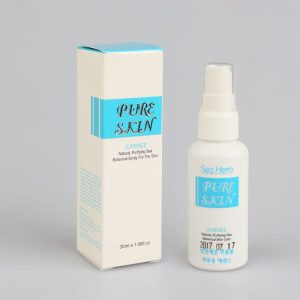
As explained as above, since alginic acid in most hardly absorbed by the body. Alginic acid inside of the SEAHERB FUCOIDAN can be absorbed by the body up to 57%. By using this low molecules alginic acid, Dong Oh international Co., Ltd., develop PURE SKIN which is skin care products, with moving through the skin rapidly. Main function of PURE SKIN is discharging heavy metal and toxin outside of the skin.
b) Decreasing the Value of Cholesterol
It has been well known that the seaweed is the ageless food since old times and as a result of experiment by Suzuki, et. al., that by adding 5% of alginic acid to the extremely inferior feed adding 0.25% of bile acid to the food containing 1% of cholesterol, let white mouse take it, and, obtained the effect to control increase of serum cholesterol and cholesterol in the blood plasma. Beside this, many other researches have been reported, so it is well known fact that alginic acid has an effect to prevent artery hardness.
c). Function of Intestinal Orders
There is nothing more important than smooth absorption of nutritive elements by smooth excretion among various functions of human body. This alginic acid is the sticky component, and it demonstrates concrete effect of internal orders by such nature as hydration, maintaining water, lubrication and formation. Especially, it has an excellent effect for constipation.
When alginic acid is degraded by enzyme and concentrated, a portion becomes ppt and a portion makes heavy metal and other undesirable things to suspended condition of their activities in the intestines and to discharge outside the human body. That is, this function is to discharge heavy metal and other undesirable things existing inside the stomach and intestines as scale condition outside the human body by the function of alginic acid and enzyme.

Therefore, it has a great effect for the health of the stomach and intestine, and especially for constipation. And if you take it steadily, it will improve digestion and absorption, and accordingly, all physical organs become healthy and have excellent function for prevention of geriatric diseases. Although we think to cure only a special portion of our body, it is thought that by making our stomach and intestines healthy first of all, and by helping to supply nutritive substance to other organs, the balance of whole body can be maintained.
d) The Diet Nature
Because of shorted calorie in our modern life, if we take much quantify of meats, fat and other alien substances are absorbed, and if you take this for a long time to prevent satiation, by digesting and absorbing in balance, so by removing unnecessary fat and energy source, it is well known as food of diet nature.
3. Carcinogenesis Restraint Effect by Fucoidan Component Contained SEAHERB FUCOIDAN
Especially a great quantity of fucoidan is contained in blossom of algae of SEAHERB FUCOIDAN, for which a steady study has been continued. As a result of giving cancer-causing materials to the experimental mice, which were divided into two groups, and let one group drank water containing U-Fucoidan for 52 weeks continuously, and the result was confirmed that the group drank U-Fucoidan water increased about 30% of surviving percentage and reduced about 10% of carcinogenesis percentage compared with the comparative group.
4.
RESULT SUMMARY
The Nutrients of the SEAHERB FUCOIDAN is greatly used in our dietary life, and it is a very good supplement because a great quantity of Fucoidan and alginic acid is contained in the SEAHERB FUCOIDAN, which functions to absorb and discharge outside our body heavy metal and other undesirable things.
As the contents of fucoidan and alginic acid in the seaweed differs in accordance with the producing season, place and by location. It is possible to choose the season, place, and location and part having the greatest content of Fucoidan and alginic acid.
These Nutrients are enhanced by our patent extracting technology called ¡°Low Molecular weight compound technology¡± which has the possibility of the function of discharging heavy metal outside of the body, the function of decreasing the value of cholesterol, function of intestinal orders, and the nature of diet.
Furthermore, Dong Oh International co., ltd adjusts extracting technology for developing PURE SKIN, which is a skin care products, for discharging toxin and heavy metals outside skin and providing vitality of skin.
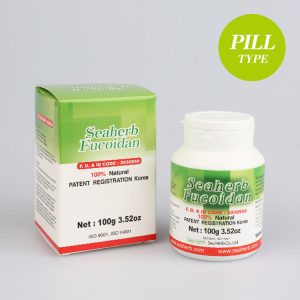
The SEAHERB FUCOIDAN, which is processed to 100% natural pill type without adding any artificial preservatives, color and corn in the sealed bottle package and can be carried to take at any time, is expected to greatly contribute to the health of the people.
<Literature
Cited>
1. Fumio Kasahara:Regarding Physiological Function, New Food Industry vol. 22 No.12
2.Eiichi Nishide, et al:Distribution by part of water Soluble Alginic Acid and Alkali soluble Alginic Acid of hot water extract from Brown Seaweed Nippon Suisan Gakkaishi 54(9),1619-2622(1988)
3.Kazuhiro
Watanabe, etal:influence to Excretion of Rat by cholesterol of Alginic Acid
Natrium, Trp-p-1 and Afratoxin B, Toicold Environ Health 38(3) 258-282(1992)
4.Tokuichi Tabuchi: Algin and Its Use, New Food Industry vol.20, No.9.

New
Wave Of Health From The Sea
By Dr. Zakir Ramazanov, President of National Bioscience Corporation, Warwick, NY
Sea vegetables offer untapped plethora of health benefits. Much attention has been focused of late on the Asian diet, which appears to contain a wealth of protective health-promoting compounds. An examination of the Asian diet reveals that it is rich in sea vegetables. It should come as no surprise, therefore, that the long recognized traditional health benefits of certain sea vegetables are now being confirmed by modern scientific research.
Seaweed has long been used in the Japanese and Chinese diet. In 600 B.C., Sze Teu wrote in China,
"Some algae are a delicacy fit for the most honored guests, even for the King himself." Some 21 species are used
in everyday cooking in
Japan
, six of
them since the eighth century. Seaweed accounts for some 10% of the
Japanese diet
and seaweed consumption reached an average of 3.5 kg per household in 1973, a 20% increase
in 10 years. Most important are nori (Porphyra species), kombu (Laminaria spp.) and wakame (Undaria spp.).
In the West, seaweed is largely regarded as a health food and, although there
has been an upsurge of interest in the last 20 years, it is unlikely that sea
vegetable consumption will ever be more than a fraction of what it is in
Japan.
Among U.S.
suppliers, all sea vegetables are known under a very general name "Pacific" and/or "Atlantic" kelp, which represents in
most cases a "cocktail" of a dozen plant species harvested in the open ocean.
The focus of scientific inquiry has been directed at a sub-group of sea
vegetables known as phaeophytes (brown seaweed). Powerful antioxidant
activity was recently discovered in certain members of this class and this finding
has resulted in an enormous increase in research on sea vegetables' metabolites and their
activity against free
radicals. The fruits of this research have shown that certain
phaeophytes contain highly active polyphenols called
phloroglucinols
(1,3,5-trihydroxybenzene) that possess free radicals neutralizing activity.
Recently Japanese scientists discovered that phenolic compounds such as
phloroglucinols possess 5-lipoxigenase activity. The products of arachidonic acid metabolism are not tumor promoters themselves,
but play an integral part in the underlying mechanism of tumor promotion and 5-lipoxigenase is a key
enzyme
in the arachidonic cascade. Phytoactives present in brown sea vegetables
possess antibacterial activity and
phloroglucinol is responsible for this effect. In
addtion phloroglucinols are moderate MAO inhibitors.
This fact could contribute to
heir strong t anti-depressant activity.
Sea vegetables and cholesterol. The Japanese have believed for many
years that eating seaweed prolongs life. Since many deaths are due to heart
disease, which mav he linked with high plasma cholesterol levels and hypertension,
physiological the effect of seaweed on these values have been investigated.
Again, sea
vegetables such as Ascophyllum, (Cystoseira and Fucus have been shown to lower
significantly
plasma cholesterol levels (Krotkiewski M., European Patent #90850263.6) and
the active compounds have been identified: Fucosterol and the unsaturated fatty
acids show hypocholesterolemic activity.
This ability to reduce plasma cholesterol levels and to increase serum
lipolytic activity may explain their use in the prevention of
atherosclerosis. An antihypertensive activity of substances with sodium-binding properties,
e.g. a polysaccharide,
is obtained from brown seaweed fibers.
Sea vegetables and cancer. Certain sea vegetables have long been used in
traditional Japanese and Chinese medicine in the treatment of cancer. Oxidative processes
are involved in both the initiation of carcinogenesis and
the promotion of tumor
development (Pryor, 1987). Research of recent years provides strong evidence that the sea
vegetables Ascophyllum, Cystoseira and Fucus showed antitumoral activity
(lC50mg/mL) against leukemia P-388 (Norte et al. 1995).
Based on epidemiological and biological data, consumption of sea vegetables
are proposed as an important factor contributing to the relativelv low breast
cancer rates reported in
Japan
.
It is well known that sea vegetables are the best source of nondigestible fiber, increasing fecal bulk and decreasing bowel transit
time;
it changes the posthepatic metabolism of sterols; it contains an antibiotic
substance that may influence fecal ecology; it contains 1-3 beta glucan, which alters
enzymatic activity of fecal flora and it stimulates the
host-mediated immune response.
It is suggested that Laminaria may play a role in preventing either the
initiation of breast cancer or its promotion
by endogenous physiological factors. Among mammary adenocarcinoma tumor-bearing animals, experimental
rats had fewer individual adenocarcinomas. There was also an overall 13% reduction in the number of
experimental rats with histologically confirmed denocarcinomas (76% among the
control rats compared to 63% among the experimental rats).Components of
Laminaria, which might account for the observed difference in mammary tumor
growth are
varied and include the sulfated polysaccharide Fucans or fucoidan.
Fucans, sulfated polysaccharides extracted from brown seaweed, have been
shown to have inhibitory effects on cell growth in various experimental
models. These findings raise the possibility that brown seaweed may,
have clinical value in the
prevention of cancer metastasis.
Sea vegetables commonly eaten in Japan inhibit breast
carcinogenesis.
Anti-mutagenic activities were detected in polysaccharide and
non-polysaccharide fractions from the extract of the
other edible brown alga, Undaria
pinnatifida (wakame in Japanese).
These experimental results indicate that the hot
water-soluble extract of Larninaria japonica or Undaria pinnatifida
contains heterogenous antimutagenic activities against typical genotoxic substances.
The role of seaweed in breast cancer treatment was indirectly implicated
at the inception of the low thyroid breast cancer hypothesis. Ancient
Egyptians gave seaweed to breast cancer patients (Ebers Papyrus) and suggested
that the
iodine content in the seaweed was responsible for stimulating the thyroid. This
hypothesis has generated many studies over the last 25 years, although none were able to establish a causal link between thyroid dysfunction
and subsequent breast
cancer.
It has been observed that women with breast cancer who also have thyroid dysfunction have a poorer prognosis
for both five and ten year survival.
The most convincing data arguing against this theory is that as a result of
iodized salt, endemic goiter rates have declined in the
U.S.
, while breast cancer
mortality rates have not.
It is therefore intriguing to consider the alternative
explanation -that it was the seaweed rather than the iodine
content that lent
efficacy to the Egyptian treatment.
The existing data are supportive of the idea that sea vegetable
consumption as well as terrestrial vegetables might
be a protective factor.
Sea vegetables and HIV Anti-HIV-active and anti-herpes polysaccharides
and polyphenols have been isolated in brown seaweed Fucus vesiculosus and red alga Dumontia.
What about green sea vegetables such as Ulva rigida or sea lettuce, an edible alga containing the extraordinary
potencies of soluble and insoluble dietarv fiber and important minerals, as well as high potencies of vitamins, polysaccharides, chlorophyll and protein? Ulva rigida is a
member of the group of green seaweeds Monostroma
and Enteromorpha, which are called "annori" in Japanese.
Ulva has been used in salad and soups for many centuries; however, the
recent discovery that xylorhamnoglucuronan (Ulvan) and glucuronic acid are
major constituents of Ulva dramatically increased interest
in this seaweed.
Glucuronic acid is a strategically important component of chondroitin (viscosity
mucopolysaccharides that act as the flexible connecting matrix between
collagen filaments in cartilage to form
a polymeric system). To be able to svnthesize enough chondroitin, the human body needs glucuronic acid and glucosamine. The lack of one of these
components dramatically decreases the chondroitin synthesis.
Russian scientists provided strong evidence that the rate of CI4 chondroitin
sulfate synthesis de novo is much
higher from I 4C glucuronic acid (Ulva) than from
Cl4 chondroitin (Sidorov et al. 1977; Applied Microbiology and Biotechnology). We
believe that chondroitin is hydrolyzed before it becomes bio-available in the
body and
that the rate of this hydrolysis not so high as to compete with free
glucuronic acid (Sidorov et al. 1977).
These results are not surprising, since glucuronic
acid is an essential constituent of chondroitin.
Beside glucuronic acid, Ulva rigida
contains high proline and ascorbic acid required for collagen synthesis.
In the process of collagen synthesis two amino acids, proline and
hydroxyproline, play a strategically important role. Collagen synthesis is
initiated by hydroxylation of proline, which requires the presence of a sufficient amount of proline and
ascorbic acid - a source of OH-groups needed to transform proline into hydroxyproline.
Ulva rigida provides both proline and ascorbic acid.
Bibliography
Fujimoto I., Hanai, A.
and Oshima, A. Descriptive epidemiology of cancer in Japan
:
current cancer incidence and survival data. National Cancer Institute Monograph 53: 5-15.1979.
Kagawa, Y. Impact of Westernization on the Japanese. Changes in
physique,
cancer longevity and centenians. Preventive Medicine 7: 205-217.1978.
Katsura, E. and Nakamichi, R. The iodine intake of Japanese. Journal of Japanese Society for Food and Nutrition
12: 37-39.1960.
Kimura, A. and Kuramoto. M. Influences of seaweeds on metabolism of cholesterol and anticoagulant actions of seaweed.
Tokushima
Journal ofExperimental Medicine 21:79-88. 1974.
Michahek, G. Seaweed Resources of the Ocean FAO Fisheries Technical
Paper, No. 138: 79-98. 1976.
Moossa, A. R., Price Evans, D. A. and Brewer, A. C. Thyroid status and
breast cancer,
Annals of the Roval College Surgeons England 53:178-188. 1973.
Morgan, K C., Wright, J. L. C. and Simpson, F J. Review of chemical constituents of the red alga.
Palmaria palmata (Dulse). Economic Botany 34(1): 27-8T.1990.
Pratt, R., Mautner, H., Gardner, G. M., Sha, Y and Dufrencoy, J. Report
on antibiotic activity of seaweed extracts. Journal of the American
Pharmaceutical Association 40 (11): 575-579.1951.
Teas J. The consumption of seaweeds as a protective factor in the etiology
of breast cancer,
Medical Hypothesis 7,601-613, l98l.
Toyokawa, H. Nutritional status in Japan
from the viewpoint of
numerical ecology Social Science and Medicine
12(I): 517-524.1978.
Vacca, D.
D.
and Walsh, R. A.
The antibacterial activity of an extract obtained from Ascophyllum nodosum.
Journal of the American Pharmaceutical Association 43:24-26. 1954.
Wood, C. G. Seaweed extracts a unique ocean resource.
Journal of
Chemical Education 51(7): 449-452. 1974. NW

Seaweeds or marine algae have long made up a key part of the Asian diet
and are also consumed in other parts S of the world, such as in Ireland and Wales. Seaweed has often been
used as a food for people who are sick and has been credited with
health-giving properties.1 Today, seaweed supplements for human use are
usually considered to be sources of iodine or minerals but may offer other
therapeutic
benefits.
Marine
Algae as Food
Marine algae are classified as brown, red, or green algae.2 Examples
from all of these categories are edible and are shown in Table 1. This
article concentrates on brown
seaweeds, in particular the commonly eaten Japanese wakame or Undaria
pinnatifida.
Japanese and Korean populations are the biggest consumers in e world of
seaweed products. Most of the brown seaweed intake in the daily diet is of
Undaria, commonly known as e and mekabu and of Laminaria species commonly
known as kombu.1,2 Both are used dried in condiment and soup bases or eaten
fresh in salads, rolls, or stews, or with rice.
It is thought that the overall content of certain traditional diets
contributes to the low incidence of cancer,3 particularly breast cancer.4 It
is apparent that the unique levels of seaweed intake contribute to the
variance in the levels of breast cancer.-5,6 There is a nine fold lower
incidence of breast cancer in the Japanese population and an even lower
incidence the Korean population compared to the incidence
in the West.4,5,7
The relative longevity and health of Okinawan Japanese populations has
been attributed in part to dietary algae in studies.8 these studies compared
Okinawan descendants who were living in Brazil with Okinawans. The former
have a higher risk of developing cardiovascular and other diseases. For a
dietary intervention study, 3g of decosahexaenoic acid, 5g of seaweed wakame)
powder, and 50 mg
of isoflavonoids from soybean Glycine soja) were given daily to immigrants,
at high risk for eloping diseases, in Brazil for 10 weeks. This
combination reduced blood pressure and cholesterol levls, suppressed the
urinary markers of bone resorption, and attenuated a tendency toward
diabetes.
Contents of Algae and Algal Extracts
Brown algae consist mainly of water (90 percent) in the native state.
Polysaccharides
are major components and comprise alginates, cellulose, and sulfated
polysaccharides such as fucoidans and laminarins. Other components include
proteins, free mannitol, minerals such as iodine and arsenic (inorganic and
organic), polyphenols, peptides, fatty compounds, and various pigments.1
Alginates, probably the most widely used of the algal extracts, are composed
of block copolymers of mannuronic and guluronic acid sugars and have been adopted by the food
industry as thickening agents and by the pharmaceutical industry as binders,
gelling agents, and wound absorbents.
Possible
Therapeutic Role of Sulfated Polyanions
Fucoidans are found only in brown algae. They consist of long branched
chains of sugars and include a substantial amount of fucose. The type of
fucoidan, its sulfation, molecular weight, and conformation of sugar residues
varies with the species of sea-weed.1,9,10 Thus, the fucoidan from Fucus
vesiculosis contains 90 percent fucose,ll whereas the major fucoidan in
Undaria contains a roughly equal balance of fucose and galactose.12,13
When purified, the fucan fractions from Korean Undaria and Laminaria
comprised respectively 12.75 and
4.76 percent of the total dry weight of the algae.12
The fucose composition (as a per- cent of total sugars) of the fucoidans isolated from
the Undaria and Laminaria was 57.11 percent and 80.43 percent respectively.
It should be
noted that while the bulk of the fucoidans in seaweeds are of high molecular
weight, there is a small percentage of smaller fucoidan-type molecules that are
sometimes complexed with proteins.11,13
Fucoidans are considered to have similarities to the (much smaller)
mammalian molecule heparin sulfate.14,15 As such, they compete for heparin sulfate-type
receptors such as those used for viral entry into cells.16,17 Thus' fucoidans are highly effective antiviral agents.14,15 In addition, they inhibit
leukocyte movement into tissues,18 modulate metastasis,19 have heparin-like anticoagulant
qualities in vitro,20 anticomplement activity in vitro and in vivo,21,22 and
antilipidemic activity in vivo.13 Other biologic activities related to the heparin-like nature of
fucoidans
include stimulating hematopoietic progenitor cell mobilization23,24 and
inhibiting smooth-muscle proliferation.25
Most of the effects noted above were observed when using intravenous
fucoidans in animal models.
However, in vivo biologic effects after Undaria ingestion
indicate that there is uptake of active components,
via the gut; for example, ingestion of
water extracts of Undaria by mice with carcinogen induced tumors markedly
suppresses tumor development.6,26 Hiebert27 has found that oral heparin is
absorbed and found at approximately
I percent in plasma in rats. There is a pronounced
endothelial uptake of oral heparin and, thus, oral heparins
have marked bio- logic
effects despite the low plasma levels. It is possible that fucoidans behave
similarly.
Use
of Algae in Traditional Medicines
Chinese and Kampo (Japanese) medicine both use dried thallus (stem and
spore areas) of brown seaweeds (Laminaria, Undaria, or Ecklonia species).
These are used to "eliminate phlegm and move water" and are also recognized
sources of iodine.28
They are recommended for treating cancer in Chinese and Ayuverdic
medicinal
texts.28,29
In Korea
,
new mothers are given a diet that is rich in seaweed for the first month
after birth because this diet is believed to provide many health benefits for
mothers and their children.30
Brown algal preparations have been used as detoxifying agents.31,32 The
iodine and other elements in the seaweeds inhibit absorption of similar radioactive
elements by the body. In addition, there is some chelation of contaminants such as Strontium
90 by alginates in seaweeds. More recently, it has been demonstrated that
Undaria
ingestion assists in eliminating dioxins in rats.33
Feeding on beach-cast seaweeds or seaweed-treated pasture is known to
improve health and increase disease resistance in sheep and cattle.-34,3-5 Seaweed
and other natural polysaccharides also alter the bacterial spectrum of the
gut, indicating a possible mechanism for these observed effects.34,36
Antiviral Effects
Brown seaweeds, including the commonly eaten Undaria, have inhibitory
effects on herpes viruses.
Herpes viruses are important human pathogens and include
Herpes simplex (HSVI), genital herpes (HSVII), Varicella/chicken pox/shingles,
cytomegalovirus, Epstein-Barr virus (EBV), herpes 6, 7 (Roseola,
post-transplant infections), and herpes 8 (associated with Kaposi's sarcoma).
In
Japan,
where ingestion of brown seaweed in the diet averages 2-3 g per day with a
high of 12 g calculated as dry weight,37 there is a lower rate of
reactivation of HSVI,38 and the lowest levels of HSVII compared to other
countries.39
Acyclovir (ACV) and its derivatives comprise the most common drug group
used against herpes infections. These pharmaceuticals inhibit viral DNA
polymerase, thereby preventing viral replication. ACV-resistant viral strains
are prevalent in 5 percent of all HSV infections in immunocompromised
patients.40 Alter- natives that do not give rise to drug resistance would be
invaluable.
Ingestion of Undaria led to inhibition of reactivation of herpes and
amelioration of active infections in a patient study.41 In this study, one patient with an
ACV-resistant HSV 11 recurrent infection experienced no symptoms for 3
months while taking an
Undaria supplement.
In vitro, Undaria extracts and purified galactofucan sulfate from
Undaria had inhibitory effects on forty different clinical strains of HSVI and HSVII, of which half
were ACVresistant. 42 The mechanism of inhibition was via blocking the
receptor on the cell surface that is normally used by the viruses to enter
cells.43 In other studies, Undaria extracts have also inhibit- ed EBV, HSV,
and human immunodeficiency virus (I-IIV).44-48 Undaria extracts were also
shown to have additive effects with the antiretroviral drug zidovudine in an animal model.49
In the studies by Ohigashi et al.44 and Hudson et al.,46 organic sol-
vent-soluble fractions of Undaria were demonstrated to have antiviral
properties. However, most research attention has been directed toward the
antiviral effects of anionic polysaccharides (which are water
soluble).14,1-5,42,43,48
The mechanism of viral inhibition by large anionic molecules (by
inhibiting viral entry to cells) does not generate resistant strains to the same degree as
acyclovir-type drugsl5 (which inhibit viral replication) and the inhibition
covers a wide spectrum of viral strains.14,15 If viral inhibitory polyanions, such as those found in brown
seaweeds,
can supplement conventional therapies, the total amount of other drugs
required and the emergence of resistant strains may be reduced.
Anticancer
Effects
The lower incidence of breast cancer in the Japanese and Korean
populations4,5,7 has intrigued researchers. Researchers have found that
dietary brown algae and their extracts inhibit carcinogen-induced breast cancers,
lung metastases,
and leukemia in animal models.6,22,26,44,48-51 Similarly, tests on the seaweed
extracts
in bacterial systems revealed that the extracts had a pro- found
anfimutagenic quality.52,53
Most recently Funahashi et al.6,26 have shown that wakame extracts (as
wakame soaked in animals' drinking water)
have a potent inhibitory effect on the
progression of mouse mammary tumors. Similar extracts produced an equally profound apoptotic
effect on breast cancer cells in vitro while the extracts were non- toxic to
ordinary
breast cells.
From the animal model experiments, when Undaria or other brown seaweed
was included in the animals' diets,
it is very clear that there is a direct
anticancer effect of ingestion although the active components have not been determined. Over the years, it has variously been attributed to iodine,54,55 tryptophan, 56 fucoidans,50 or vitamins.6
The
Viral Connection with Breast Cancer
There has been a recent revival in research on viral connections with
breast cancer.4,57-59 Human homologues of mouse mammary tumor virus,
papilloma viruses, and herpes viruses, chiefly EBV, are implicated. The lower rates of herpes in
seaweed-eating populations may be a cofactor in the observed lower rates of
breast cancer.
Seaweed ingestion, which is already thought to be connected
with reduced rates of breast cancer,5 may, perhaps, elicit these protective effects via
inhibition of herpes viruses.
Effects on Immunity and Inflammation
Stimulation of T-cell multiplication in vitro by algal extracts59,41 may
account for in vivo observations by other researchers, including increased monocytes in cattle
who were fed seaweedextract sprayed grasses.35
The extensive gut lymph tissue
would contact seaweeds passing through the gut. Specialized T cells in gut lymphatic tissue
are important in achieving a rapid response to pathogens, in particular, to
viruses such as
HSV 161,62 and may also modulate intestinal lipid metabolism. 63
Inflammatory disorders, such as psoriasis and some types of colitis, are
characterized by an excessive presence of leukocytes and may be ameliorated
by seaweed ingestion.
Algal-derived fucoidans inhibit the passage of leucocytes into
tissues by receptor blocking.
These fucoidans are being investigated clinically for
their potential to prevent destruction of postischemic heart muscle by invading leucocytes.18
Effects
on Plasma Cholesterol and Hypertension
Many foods are known to reduce cholesterol levels and brown algae fall into
this category.
Undaria ingestion results in lower cholesterol levels in
rats.64
This effect on lipid processing seems to be the result of stimulation of
liver enzymes.65 Undaria fucogalactan fractions were shown to reduce lipid
clearance times dramatically when introduced intravenously. 13
The fucoidan
component may block the macrophage scavenger receptor that is involved in low-density lipoprotein
uptake.66
Undaria contains substantial amounts of laminine and similar tetrapeptides,
which have been shown to have angiotensin converting enzyme inhibitory qualities both in
vitro and in vivo.67 Ingesting 3.6 g per day of Undaria (wakame) for 4 weeks resulted
in a 14 mm Hg drop in systolic blood pressure in Asian patients who had hypertension.68
Relying on on exchange properties, rather than laminine, a Swedish clinical
study
i found that ngesting potassium-loaded seaweed fibers countered hypertension i sucessfully.69
Mineral
Contents
Mineral
concentrations vary according to the growth environment and age of marine algae.
Iodine or trace-element requirement is currently the most common
reason for seaweed supplementation.
The maximum tolerated dose of 1000 jig of iodine
per-day
(according to the joint Food and Agriculture Organization/World Health
Organization
Expert Committee on Food Additives) can be reached with only small amounts of
some kelps 1 and should be assessed carefully by practitioners. Arsenic is
considered to be toxic in the form of the inorganic salt when it consumed in excess of 2 pg
per kg body weight per day.70 Arsenic is also an essential trace element with a
recommended minimum intake of 12-50 gg per day.71
In broad terms, annual growth algae such asUndaria contain the lowest
amounts of minerals and can, therefore,
be consumed in larger quantities. For example,
Tasmanian Undaria contains 53 pg per g of iodine and 0.96 pg
per g of
arsenic.
* (Marine Resources data, personal communication.)
Conclusions
Brown algae as either food or in supplement form may provide useful
additional therapy for treating herpetic viral infections and some cancers. Other benefits
include mild antihypertensive- and cholesterol-reducing effects.
Used with caution, so as
not to exceed the maximum iodine or arsenic intakes, these algae also provide
valuable
mineral supplementation.
Acknowledgment
The author wishes to acknowledge the support of Marine Resources Pty.
Ltd.,
Tasmania, Australia and the assistance of
Julia Pearson.
References
1. Chapman Vj, Chapman DJ. Seaweeds and Their Uses, 3rd edition. Lon- don: Chapman and Hall, 1980.
2. Guiry MD, Nic Dhonncha E. Algae Base. Online document at:
www.algaebase.org 2001.
3. Kanke Y, Itoi Y, Iwasaki M. Effects of human diets of two different
Japanese populations on cancer
incidence in rat hepatic drug rnetabolis- ing and antioxidant enzyme systems.
Nutr Cancer 1996;26:63-71.
4. Lawson JS, Tran 0, Rawlinson WD. From Bittner to Barr: A viral, diet
and hormone breast cancer
aetiology hypothesis. Breast Cancer Res 2001;3:81-85.
5. Teas J. The dietary intake of Laminaria, a brown seaweed, and breast
cancer prevention.
Nutr Cancer 1983;4(3):217-222.
6. Funahashi H, Imai T, Mase T, et al. Seaweed prevents breast cancer?
Jpn J Cancer Res 2001;92(5):483-487.
7. Adami HO, Signorello LB, Trichpoulos D. Towards an understanding of
breast cancer etiology.
Cancer Biol Sen-tin 1998;183:255-262.
8. Yamori Y, Miura A, Taira K. Implications from and for food cultures
for cardiovascular diseases:
Japanese food, particularly Okinawan diets. Asia
Pac J Clin Nutr 2001;10(2):144-145.
9. Black WAP, Dewar ET, Woodward FN. Laboratory-scale isolation of
fucoidan from brown marine algae:
Manufacture of algal chemicals. IV. J. Sci Food Agric 1952;3:122-129.
10. Larsen B. Fucoidan. In. Hellebust JA, Craigie JS, eds. Handbook of
Phycological Methods:
Physiological and Biological Methods. New York:
Cambridge University Press:152-156.
11. Nishino T, Nishioka C, Ura H, Nagumo T. Isolation and partial char-
acterization of a novel amino
sugarcontaining fucan sulfate from com- mercial
Fucus vesiculosus fucoidan. Carbohydr Res 1994;255:213-224.
12. Koo JG, Jo KS, Do JR, Woo Sj. Isolation and purification of
fucoidans from Laminaria Mesa and
Undaria pinnatifida in Korea. J Korean Fish Soc 1995;28(2):227-236.
13. Mori H, Kamei H, Nishide E and Nisizawa K. Sugar constituents of
some sulphated polysaccharides
from the sporophylls of wakame and their biological activities. In: Hoppe HA,
Levring T, eds. Marine Algae
in Pharmaceutical Science, vol. 2. New York
& Berlin:
Walter de Gruyter, 1982:109-121.
14. Schaeffer DJ, Krylov VS. Anti HIV activity of extracts and compounds
from algae and cyanobacteria:
Ecotoxicology and environmental safety 2000;45:208-227.
15. Witvrouw M, de Clereq E. Sulfated polysaccharides extracted from sea
algae as potential anti-viral
drugs. Gen Pharmacol 1997;29:497-511.
16. rbrahirn J, Griffin P, Coombe DR, Rider CC, James W. Cell-surface
hep- arin sulfate facilitates human
immunodeficiency virus Type I entry into some cell lines but not primary
lymphocytes. Vir Res 1999;60:159-169.
17. Carnpadelli-Fiume G, Cocchi F, Menotti L, Lopez M. The novel recep-
tors that mediate the entry of
herpes simplex viruses and animal alpha herpes viruses into cells. Rev Med
Virol 2000;10(5):305-319.
18. Ritter LS, Copeland JG, McDonagh PF. Fucoidan reduces the coronary
microvascular leukocyte
accumulation early in reperfusion. Ann Thorac Surg 1998;66:2063-2071.
19. Coombe DR, Parish CR, Ramshaw IA,
Snowden JM. Analysis of the inhibition of tumour metastasis by
sulphated polysaccharides. Int J Can- cer 1987;39:82-88.
20. Church FC, Meade JB, Treanor RE, VVhinna HC. Antithrombin activity
of fucoidan: The interaction of
fucoidan with heparin cofactor 11, antithrombin 111, and thrombin. J. Biol.
Chem 1989;264:3618-3623.
21. Biondin C, Fischer E, Boisson-Vidal C, Kazatchkine MD, jozefonvir-z
J. Inhibition of complement
activation by natural sulfated polysaccharides (fucans) from brown seaweed.
Mol Inimunol 1994;31:247-253.
22. Itoh H, Noda H, Amano H, Ito H. Immunological analysis of inhibi-
tion of lung metastases by fucoidan
(GIV-A) prepared from brown sea- weed Sargassum thunbergii. Anticancer Res
1995;15(5B):1937-1947.
23. Frenette PS, Weiss L. Sulfated glycans induce rapid hematopoietic
progenitor cell mobilisation:
Evidence for selectin dependent and inde- pendent mechanisms. Blood
2000;96(7):2460-2468.
24. Sweeney EA, Lortat-jacob H, Priestley GV, Nakamoto B,
Papayannopoulou T. Sulfated polysaccharides
increase plasma levels of SDF-I in monkeys and mice: Involvement in
mobilization of stem/pro- genitor
cells. Blood 2002;99(l):44-51.
25. Logeart D, Prigent-Richard S, Jozefonvicz J, Letourneur D. Fucans,
sulfated polysaccharides extracted
from brown seaweeds, inhibit vascu- lar smooth muscle cell proliferation: 1.
Comparison with heparin for
antiproliferative activity, binding and internalization. Eur J Cell Biol
1997;74(4):376-384.
26. Funahashi H, lmai T, Tanaka Y, et al. Wakame seaweed suppresses the
proliferation of 7,12-
dimethylbenz(a)-i@nthracene-induced mammary tumors in rats. Jpn J Cancer Res.
1999;90:922-927.
27. Hiebert LM. Oral heparins. Clin Lab 2002;48:111-116.
28. Yubin Ji, Guangmei Z. Pharmacological Action and Application of
Available Antitumor Composition of
Traditional Chinese Medicine. Hei- longjiang, China: Heilongjiang Science and
Technology Press, 1998.
29. Hoppe HA, Levring T, Tanka Y, eds. Marine Algae in Pharmaceutical
Science. Berlin & New York:
Walter de Gruyter, 1979.
30. Moon S, Kim J. Iodine content of human milk and dietary iodine
intake of Korean lactating mothers. Int J
Food Sci Nutr 1999;50:165-171.
31. Gong YF, Huang Zj, Qiang MY, Lan FX, et al. Suppression of radioac-
tive strontium absorption by
sodium alginate in animals and human sub- jects. Biomed Environ Sci 1991;4:273-282.
32. Shandala NK. Alimentary methods for decreasing the radiation load of
the body with cesium and
strontium radionuclides [in Russian]. Gig Sanit 1993;10:51-54.
33. Morita K, Nakano T. Seaweed accelerates the excretion of dioxin
stored in rats. J Agric Food Chem
2002;13;50:910-917.
34. Orpin CG, Greenwood
Y, Hall Fj, Paterson IW. The rumen microbiolo- gy of seaweed digestion in
Orkney sheep. J Appi Bacteriol
35. Saker KE, Allen VG, Fontenot JP, Bagley CP, Ivy RL, Evans RR, West-
er DB. Tasco-Forage: 11.
Monocyte immune cell response and perfor- mance of beef steers grazing tall
fescue treated with a
seaweed extract. J Anim Sci 2001;79:1022-1031.
36. Wyatt GM, Bayliss CE, Holcroft JD. A change in human faecal flora in
response to inclusion of gum
arabic in the diet. Br J Nutr 1986;55:261-266.
37. Yamauchi HI Takahashi K, Mashiko M, Saitoh J, Yamamura Y. Intake of
different chemical species of
dietary arsenic by the Japanese and their blood and urinary arsenic levels.
Appl Organomet Chem
1992;6:383-388.
38. Okinaga S. Shedding of Herpes simplex virus type I into tears and
sali- va in healthy Japanese adults.
Kurume Med J
2000;47:273-277.
39. Nahmias Aj, Lee FK, Beckman-Nahmias S. Sero-epidemiological and -
sociological patterns of Herpes
simplex virus infection in the world. Scand J Infect Dis Suppt 1990;69:19-36.
40. Field Hj. Herpes simplex virus antiviral drug resistance-current
trends and future prospects. J Clin Virol
2001;21:261-269.
41. Cooper R, Dragar C, Elliot K, Fitton JH, Godwin J, Thompson K. GFS,
a preparation of Tasmanian
Undaria pink is associated with healing and inhibition of reactivation of
herpes. BMC Complement Altern
Med 2002;2:11.
42. Thompson KD, Fitton JH. Anti-viral activity of Tasmanian seaweed
extracts against clinical strains of
Herpes simplex virus (HSV). [abstr.] 18th Annual Clinical Virology Symposium,
Florida
,
April 28- May 1, 2002.
43. Thompson KD, Fitton JH. The mode of action of two Tasmanian sea-
weed extracts against Herpes
simplex virus (HSV) [abstr.] 27th hiternation- al Herpes Virus Workshop,
Cairns, July 20-26, 2002.
44. Ohigashi H, Sakai Y, Yamaguchi K, Umezaki 1, Koshimizu K. Possible
anti-tumor promoting properties
of marine algae and in vivo activity of make seaweed extract. Biosci
Biotechnol Biochern 1992;56:994-995.
45. Muto S, Niimura K, Oohara M, Oguchi Y, et al. Polysaccharides and
antiviral drugs containing the same
as active ingredient. U.S.
patent num- ber 5,089,481.
46. Hudson JB, Kim JH, Lee MK, DeWreede
RE, Hong YK. Antiviral com- pounds in extracts of
Korean
seaweeds: Evidence for multiple activities. J. Appl Phycol 1999;10:427-434.
47. Hoshino T, Hayashi T, Hayashi K, Hamada J, Lee JB, Sankawa U. An
anti virally active sulphated
polysaccharide form Sargassum horneri. Biol Pharm Bull 1998;21:730-734.
48. Luscher-Mattli M. Polyanions-a lost chance in the fight against HIV
and other virus diseases? Antiviral
Chem Chemother 2000;11:249-259.
49. Furusawa E, Furusawa S, Chou SC. Antileukemic activity of Viva-
Natural, a dietary seaweed extract,
on Rauscher murine leukemia in com- parison with anti-HIV
agents,
azidothymidine, dextran sulfate and pentosan polysulfate. Cancer Lett
1991;56(3):197-205.
50. Teas J, Harbison ML, Gelman RS. Dietary seaweed (Laminaria) and
mammary
carcinogenesis in rats. Cancer Res 1984;44:2758-2761.
51. Riou D, Colliec-jouault S, Pinczon du Sel DI Bosch S, et al.
Anti-tumor and anti-proliferative
effects of a fucan extracted from ascophyllum nodosum against a
non-small-cell bronchopulmonary
carcinoma line. Anticancer Res 1996;16(3A):1213-1218.
52. Reddy BS, Sharma C, Mathews L. Effect of Japanese seaweed (Laminaria
angustata)
extracts on the mutageiiicity of 7,12-dimethylbenz[alanthracene, a breast
carcinogen, and of 3,2'-
dimethyl-4-aminobiphenyl, a colon and breast carcinogen. Mutat Res
1984;127:113-118.
53. Okai Y, Higashi-Okai K, Nakamura S. Identification of heterogenous
antimutagenic activities
in the extract of edible brown seaweeds, Laminar- ia japonica (mekabu) and
Undaria pinnatifida
(wakame) by the umu gene expression system in Salmonella typhimurium
(TA1535/pSK1002).
Mutat Res 1993;303:63-70.
54. Venturi S, Donati FM, Venturi A, Venturi M, Grossi L, Guidi A. Role
of iodine in evolution
and carcinogenesis of thyroid, breast and stomach. Adv Clin Path 2000;4:117.
55. Cann SA, van Netten JP, van Netten C. Hypothesis: Iodine, selenium and
the development of
breast cancer. Cancer Causes Control 2000;11:121-127.
56. Takahashi N, Ojika M, Dogasaki C, Nishizawa M, et al. Substance iso-
lated from the kelp rhizoid identified as
L-tryptophan shows high inhibi- tion of breast cancer.
Gan To Kagaku Ryoho, 2000;27:251-255.
57. Yasui Y, Potter JD, Stanford JL, Rossing MA, Winget MD, Bronner M,
Daling J. Breast
cancer risk and 'delayed" primary Epstein-Barr virus infection. Cancer
Epiden-dol Biomarkers
Prev 2001;10:9-11.
58. Bonnet M, Guinebretiere JM, Kreinmer E, Grunewald V, Benhamou E,
Contesso G, Joab 1.
Detection of Epstein-Barr virus in invasive breast can- cers. J Natl Cancer
hist 1999;18;91:1376-1381.
59. Subramanian C, Cotter M, Robertson, ES. The Epstein-Barr virus
nuclear antigen EBNA3C
interacts with the human metastatic suppressor nm23-Hl: A molecular link to
cancer metastasis.
Nature Med 2001;7:350- 355.
60. Shan BE, Yoshida Y, Kuroda E, Yamashita U. Immunomodulating activity
of seaweed extract on human
lymphocytes in vitro. Int J Immunopharmacol 1999;
21:59-70.
61. Sciammas R, Kodukula P, Tang Q, Hendricks RL, Bluestone JA. T cell
receptor-gamma/delta cells
protect mice from
Herpes simplex virus type 1-induced lethal encephalitis. J Exp Med
1997;185:1969-1975.
62. Selin LK, Santolucito PA, Pinto
AK, Szomolanyi-Tsuda E, Welsh
RM. Innate immunity to viruses:
Control of vaccinia virus infection by gamma delta T cells. J Inununol
2001;166:6784-6794.
63. Fahrer AM, Konigshofer Y, Kerr EM, Ghandour G, Mack DH, Davis MM, Chien Y-H.
Attributes of
gamma delta intraepithelial lymphocytes as suggested by their transcriptional
profile. Proc Natl Acad Sci
USA 2001;98:10261-10266.
64. Iritani N, Nogi J. Effect of spinach and wakame on cholesterol
turnover in the rat. Atherosclerosis
1972;15:87-92.
65. Murata M, Ishihara K, Saito H. Hepatic fatty acid oxidation enzyme
activities are stimulated in rats fed
the brown seaweed, Undaria pinnatda (wakame). J Nutr 1999;129:146-151.
66. Yokota T, Ehlin-Henriksson B, Hansson GK. Scavenger receptors medi-
ate adhesion of activated B
lymphocytes. Exp Cell Res 1988;239:1:16-22.
67. Suetsana K, Nakano T. Identification of an antihypertensive peptide
from peptic digest of wakame
(Undaria pinnatifida). J Nutr Biochem 2000;11:450-454.
68. Nakano T, Hidaka H, Uchida J, Nakajima K, Hata Y. Hypotensive
effects of wakame.
J Jpn Soc Clin Nutr 1998;20:92.
69. Krotkiewski M, AureU M, Holm G, Grimby G, Szczepanik J. Effects of a
sodium-potassium ion-exrhanging seaweed preparation in rnild hyper- tension.
Am J Hypertens 1991;4(6):483-488.
70. Mohri T, Hisanaga A, Ishinishi N. Arsenic intake and excretion by
Japanese adults: A 7-day duplicate
diet study. Food Chem Toxicol 1990;28(7):521-529.
71. Uthus EO, Seaborn CD. Deliberations and evaluations of the
approaches, endpoints and paradigms for
dietary recommendations of the other trace elements. J Nutr Sci
1996;126(9[suppl.1):2452S-2459S.
J. Helen Fitton, Ph.D., is a scientific consultant in Hobart, Tasmania, Australia.

Corresponding
author.
1 Anubha Mountain Health Retreat. 680 Summerleas Road, Kingston, Tasmania, Australia.
2 Novost Pty Ltd, 53
Channel Highway, Kingston, Tasmania 7050, Australia.
3 Suite 105, 86 Murray
Street, Hobart Tasmania.
4 Marine Biomedical Research Level 10, 39 Murray Street, Hobart,
Tasmania 7000,
Australia
5 Healing World 124, 16th
Avenue Tauranga New Zealand.
6 Department of Pathology, University
of Chicago, USA.
Abstract
Background We
sought to assess whether GFS, a proprietary preparation of Tasmanian Undaria pinnatifida has
effects on healing or re emergence of Herpetic
infections, and additionally, to assess effects of GFS in vitro.
Undaria is the most commonly
eaten seaweed in
Japan
,
and contains sulphated polyanions and other components with potential
anti-viral activity. Herpes simplex virus type 1 (HSV-1) infections have lower
reactivation rates and
Herpes type 2 (HSV-2) infections have lower incidence in Japan than in
the west.
Methods
Patients with active (15 subjects) or latent (6 subjects) Herpetic infections
(HSV-1,2, EBV, Zoster) were
monitored for response to ingestion of GFS. GFS extract
was tested in vitro for human T cell mitogenicity and anti-Herpes activity.
Results
Ingestion of GFS was associated with increased healing rates in patients with
active infections. In addition, patients with latent infection remained asymptomatic
whilst ingestingGFS. GFS extract inhibited Herpes viruses in vitro and was mitogenic to human
T cells in vitro.
Conclusions
Ingestion of GFS has inhibitory effects on reactivation and is associated
with increased rate of healing after Herpetic outbreaks. GFS extract potently
inhibited Herpes virus in vitro , and had mitogenic effects on human T cells.
Background
Herpes viruses are important human pathogens, causing both primary and
secondary infections that range from trivial mucosal ulcers to life threatening
disorders in immunocompromised patients (1,2). The Herpes group includes HSV-1, HSV-2, Herpes Zoster (chicken pox/shingles), HCMV (human cytomegalovirus), EBV, Herpes 6, 7
(Roseola, post transplant infections) and Herpes 8 (associated with Kaposi sarcoma).
The
conventional treatment of these infections is with drugs such as acyclovir (ACV) that
target the viral DNA
polymerase. Whilst these drugs are undoubtedly efficient, their long-term use
has led to the development of
resistant viral strains that now comprise 5% of all HSV
infections in immuno-compromised patients (1).
Finding non-toxic alternatives to these
drugs is of interest to patients and to drug companies investigating more effective remedies.
Whilst the epidemiology and serotype of Herpes infections varies widely within the world
community, as a result of differing subpopulations and childhood exposure rates, it
seems that the
incidence of HSV2 in Japanese women is substantially less than that of
American women.
(e.g., 50% seroprevalence in one study of African-American women vs. 7% in Japan) (3).
We also noted that the reactivation of Herpes simplex I (HSV-1) as measured
by shedding (4) is considerably less
in the Japanese population than in the west. However,
EBV, some strains of which are associated with malignancies, affects over 90% of the population
world wide (5), and seropositivity for CMV is higher in the
Japanese population (6).
Several plants have been shown to have anti-viral activity, but edible
brown marine algae are unique in that they
are a regular part of the Japanese daily diet. Key
anti-viral active agents within brown algae are the sulphated
polyanions (7,8,9). In recent years both
natural and synthetic sulphated polyanions have been a research focus
for their potential
therapeutic activity.
They are considered to act principally by inhibiting the entry of
coated viruses such as Herpes into host cells
(7,8,9), by competing for receptors at the cell
surface. This activity is, in part, due to the similarities of the algal polyanions to mammalian
heparin sulphate molecules.
There are a number of receptors (including a heparin sulphate receptor)
expressed differentially on various cell types, which provide entry points for Herpes
viruses (10). This mechanism of inhibition contrasts with that of commonly used drugs such as
ACV which act as nucleic acid inhibitors, preventing viral replication after the virus has
entered the cell.
The main seaweed in the Japanese daily diet is Undaria pinnatifida,
commonly known as ¢®¢çwakame¢®¯ (11).
The major sulphated polyanion present in Undaria is
characterised as a ¢®¢çgalactofucan sulphate¢®¯
(12,13).
Other sulphated polyanions such as the synthetic dextran sulphates, pentosan sulphates, clinically used heparins, and seaweed-derived
carageenans have all been investigated for anti-viral activity in humans, either
systemically
or topically (7,8,9). However, to date, Undaria ingestion has not been clinically assessed
in a western population
for its effects on common coated viruses such as HSV-1 and 2 which
have reduced incidence in the Japanese population (3,4). Undaria extracts have
been shown to have anti-viral effects on HSV-1 in vitro (14) and also against the Herpes
group virus Epstein Barr Virus or EBV (15). Specific molecules were not identified in these
studies, thus the observed anti-viral activity may arise from either or both polyanions and
other components.
Undaria aqueous extract (made by boiling Undaria in water) and a partially
purified galactofucan sulphate extract
were recently assessed for activity against
clinical isolates of Herpes I and Herpes II in vitro (16,17).
Twenty of the viral strains were
sensitive to ACV, and nineteen were resistant. In the test, both types of extract were active
against all strains, and more active against strains of HSV-2 than strains of HSV-1.
The mode of
action was shown to be blocking attachment and entry of HSV into the host cells.
Undaria fractions have also been shown to have immune stimulating qualities
in vitro (18)
and other brown seaweed fractions have been shown to have immunological
effects in vivo
(19,8,9).
The mechanism of viral inhibition by polyanions such as galactofucan
does not generate resistant strains at the
same rates as ACV (7). Aside from the inhibition of
viral infectivity, it is possible that immune stimulation via
polyanions or other components,
increases anti-viral activity (18,19)
We hypothesised that Undaria ingestion may be associated with resolution
of Herpes infections in a western population, and that this would be reflected by
inhibition of HSV infectivity and increased T cell activity in vitro.
In this study, a
proprietary Undaria preparation ¢®¢çGFS¢®¯ was assessed for effects on the healing of,
and the inhibition of
outbreaks of HSV infections in otherwise healthy patients. In addition,
whole aqueous
extracts of the GFS were assessed for effects on HSV infectivity in vitro and on human T cell
stimulation in vitro.
Materials
and methods
A) GFS
GFS was prepared from Tasmanian Undaria pinnatifida and supplied in 560 mg
capsules by Marine Resources
Pty Ltd. It comprises solely of the alga, processed to
complete dryness in the dark within a day of harvest,
in hygienic conditions. Batches were milled
and mixed to ensure uniformity.
B) Patient study
Seventeen patients were recruited for the study by health practitioners.
Patients gave verbal informed consent to
the study. Health practitioners monitored the patients¢®¯ health.
There are no known adverse effects related to the ingestion of Undaria. No other
anti-viral medications
were taken at the same time as GFS. The duration of the study was from one
month to 24 months.
Patient ages were from less than 10 years up to 72 years.
In total, seven cases of HSV-1, five cases of HSV-2, three of active
Herpes zoster (one chicken pox, two shingles)
and two of EBV were assessed. Results are
presented in tables 1 and 2. Patients suffering from HSVI typically experienced lesions lasting ten
days. Patients with HSVII had experienced recurrent events of varying severity, sometimes
overlapping, of up to ten days in duration. One patient with shingles reported ¢®¢çcycle¢®¯ duration of
over ten days. Others did not report on duration.
Dosage levels were chosen to fall within the limits of normal dietary
seaweed ingestion in Japan .
Fifteen patients with active Herpetic viral infections were given four 560 mg
capsules of GFS per day for ten days as
a ¢®¢çtherapeutic dose¢®¯. All patients except
subject 14, table 1 (primary zoster infection) were suffering repeat outbreaks of known aetiology
Six patients with latent HSV-1 or 2 were given two capsules per day as a ¢®¢çmaintenance dose¢®¯.
Four of these patients, identified by an asterisk *, were continuations of
treatment after the active infection phase.
One patient (subject 3, table 2) took four capsules
per day.
C) In vitro effects on HSV
GFS was mixed 1:40
w/v with distilled water and boiled for 5 minutes. The liquid was filtered through a 0.45¥ìM
filter for sterilization and stored at . 20
degrees Celsius. An aliquot of the preparation was dried and the weight
was obtained to determine
the concentration.
The concentration used was the dry weight of the dissolved
solids present.
Immortalized human fibroblasts, HF cells, were grown in Minimal
Essential Media supplemented with glutamine, antibiotics, and 10% foetal bovine serum (FBS).
Maintenance medium was supplemented with 1% FBS.
Laboratory strains of HSV and HCMV
(American type culture collection) were tested in this study.
A stock of each virus was
grown in cultured HF cells and aliquots were frozen at . 70oC.
The titre of each virus was
determined by a plaque assay using HF cells in 24-well plates with an agarose overlay.
D) T cell stimulation in vitro
T cell mitogenicity was evaluated by chromium uptake. Whole T cell
preparations were obtained from buffy coats
from pooled human blood samples.
They were
incubated in RPMI supplemented with 10% heat inactivated foetal calf serum,
5mM L-glutamine,
5X10 .5 M 2- mercaptoethanol and 30U/ml gentamycin. Incubation for 72 hours was at 5%CO2,
37oC in 24 well plates. Cells were incubated with either GFS whole extract (at 25,
125 and 250 mcg/ml as 1%, 5%
or 10% of total culture volume prepared from a stock
solution at 2.5mg/ml) or with the known mitogens (PHA) (1mcg/ml) or Concanavalin A (ConA) (1mcg/ml). Each concentration was assessed in triplicate (n=3)
Results
Patient study.
Results are presented in tables 1 and 2.
Active infection- table 1
All fifteen patients with active Herpetic viral infections experienced
significant lessening or disappearance of symptoms. No adverse side effects
were noted during the study.
Two patients (subjects 4 and 5, table 1) with noncompliant dosage regimes
resolved infections in normal time,
but noted no spread of lesions (as occurred during
previous outbreaks).
Reduction in lesion severity and rapid clearance were noted in
two patients (subjects 6,7, table 1), and pain reduction as compared to previous events
was noted by two patients (subjects 2,14, table 1). Two females with genital
HSV-2 had persistent lesions which resolved during the course of treatment (subjects 8,10, table 1).
In two cases of diagnosed EBV, one clear at four and the other by ten
days. In the latter patient a chronic sinus condition also cleared (subjects 11,12, table 1)
Over ten days, faster drying of zoster lesions and increased speed of normal
cycle as compared to previous
outbreaks was noted by a male patient (subject 15, table
1) although no reduction in pain was reported.
In an adult male suffering
primary zoster (chicken pox) lesions of whole body (subject 14, table 1),
pain
reduction and rapid healing of lesions were noted.
An elderly female patient
noted a reduction in pain and visible skin lesions during the ten day course,
and had no recurrence of
symptoms whilst on a lower dose for the next two months.
Latent infections .table 2
All six patients on maintenance doses noted inhibition of further outbreaks
of infection.
No adverse side effects were noted during the study.
HSV-1 outbreaks were inhibited in two patients taking a maintenance dose over
three months and two years respectively (subjects 1 and 2 in table 2). Low
grade HSV-1 associated keratoconjunctivitis in the former patient
was also
inhibited
GFS ingestion correlated with inhibition of a previously persistent HSV-2
infection for three months in subject 4,
table 2. In this patient, the
infection was ACV resistant and outbreaks had been apparent on a two weekly basis
for over a year.
HSV-2 outbreaks at the genital site were inhibited in two other female
patients whilst taking a maintenance dose of two capsules per day, for one
month (subjects 5,6 , table 2).
Low grade recurrent Herpes zoster (shingles) lesions of the torso were
inhibited for two months in an elderly
patient whilst maintaining a dose of
four capsules per day (subject 3, table 2).
C) In vitro effects on HSV
Herpes viruses were assessed for infectivity of human fibroblasts cells in
vitro.
Inhibition by GFS extract was noted as shown in table 3.
D) T cell stimulation in vitro
GFS extract was assessed for effects on whole human T cell preparation in
vitro.
After incubation with GFS extract or mitogens PHA and ConA, for 72 hours the
relative uptake of chromium was assessed as a measure of mitogenicity.
The
lowest concentration of GFS extract tested (25mcg/ml) exerted a four fold mitogenic effect on T
cells,
over 50% of the mitogenic potency of the known mitogens PHA (six fold) and ConA
(seven fold).
Paradoxically, increased concentrations of the whole extract
showed decreasing effects on mitogenic activity.
This may be accounted for by the increasing
physical inhibition due to increased viscosity in the culture media,
or the increasing
concentration of unidentified inhibitory components present in the extract.
Results are shown in Figure 1. Additional studies illustrated little effect on NK cell
activity and no effects on L929
fibroblast growth over 24 or 72 hours (results not shown).
There was no bacterial contamination of the GFS (results not shown), thus the presence
of bacterial lipopolysaccharides (which may also act as mitogens) was ruled
out.
Discussion
This study was
carried out to assess the effects of GFS in patient studies and in vitro.
GFS was ingested by patients suffering active or latent Herpes
infections. Results indicated firstly,
a positive effect on healing, and
secondly, inhibition of outbreaks in cases of HSV-1, HSV-2, ACV resistant
HSV-2, and zoster. There were no
adverse side effects noted, and GFS was well tolerated by all subjects.
Reduced pain
levels were noted in some cases.
A particularly noteworthy result in this study was inhibition of an ACV
resistant case of
HSV-2. HSV-2 is a sexually transmitted disease of increasing incidence (4).
In part, this is due to the fact that partner transmission may occur during
asymptomatic shedding (4) or unrecognised minor outbreaks. Suppressive therapies such as ACV have been tested for their ability to inhibit
shedding (20). However, for
long-term use, non-toxic alternatives such as GFS may be preferred by
patients,
who perceive long-term conventional drug use as detrimental. In addition, GFS may reduce
the
generation of resistant strains which arise through prolonged use of drugs
such as ACV.
GFS extract potently inhibited HSV and HCMV infection of human cells, and
stimulated human T cell proliferation
in vitro. In other studies (16, 17) extracts were
active against clinical strains of HSV.
These mechanisms may be relevant to the observed
clinical response.
Human T cell proliferation in vitro observed here concurs with
observations by Shan et al (18).
Shan found that in the presence of various
seaweed extracts including Undaria,
lymphocyte proliferation and cytotoxic T cell activity was enhanced,
but that NK cell activity was not.
Cytotoxic T cells play a prominent role in the
immune response in the local environment of HSV-2 infections (21),
and have
been shown to be key elements of immune defence against HSV-I and other viruses (22,23).
Thus the observed T cell mitogenic effect caused by GFS in vitro may be
related to enhanced immunity in vivo.
Sulphated molecules with similarities to sulphated galactofucan, such as
dermatan sulphate have been shown to
be present in plasma after oral
ingestion (24) Macromolecules are known to pass through the gut into plasma
and into lymph
via the extensive gut lymphoid system (25) where they may affect immune function
The gut lymphoid system or ¢®¢çGALT¢®¯ comprises Peyers patches and gut
cryptopatches where different types of
T cells and other immune cells participate in uptake
or contact with gut contents.
T cell uptake or contact with GFS by either
Peyers patch or gut cryptopatch dwelling cells may result in the proliferative response noted
here in vitro.
However, immune indicators were not measured in this study.
Whilst further research is called for, the results obtained in this study
show that ingestion of GFS is associated
with resolution, reduced pain and
outbreak inhibition of Herpes virus infections. Studies regarding uptake, immunostimulation and anti-viral effects of GFS are in progress.
Conclusions
The rise in nucleic
acid inhibitor resistant strains of HSV-2, and the need for less aggressive
anti-viral therapies, indicates a role for alternative therapeutic routes such as that demonstrated here for GFS.
Ingestion of GFS has inhibitory effects on reactivation of HSV and positively
affects the resolution of active Herpes
infections. GFS has inhibitory effects on Herpes
infectivity in vitro and a T cell mitogenic effect in vitro.
The mechanism of inhibition of Herpes infections may be, in part,
mediated by galactofucan present in the GFS.
Acknowledgements
Marine Resources Pty Ltd supplied GFS for this study. Thanks to C
Trambas (University of Tasmania) for data on
T cell mitogenicity.
Declaration of competing interests
Russell Cooper, Ken Thompson, John Godwin, Kate Elliot have no declared
interests.
JH Fitton and Charles Dragar are employed Marine Biomedical Research Tasmania
Australia.
References
1) HJ Field: Herpes simplex virus anti-viral drug resistance--current
trends and future prospects.
J Clin Virol 2001, 21(3):261-269
2) EC Villarreal: Current and potential therapies for the treatment of
Herpes virus infections Prog Drug
Res2001, 56:77-120
3) A.J Nahmias, F.K Lee, S Beckman-Nahmias: Sero-epidemiological and -sociological patterns of Herpes
simplex virus infection in the world. Scand.J.Infect.Dis Suppt, 1990, 69:19-36
4) S Okinaga: Shedding of Herpes simplex virus type 1 into tears and
saliva in healthy Japanese adults.
Kurume Med J 2000 , 47(4):273-7
5) G Niedobitek, N Meru, HJ Delecluse: Epstein-Barr virus infection and human malignancies Int J Exp
Pathol 2001, 82(3):149-70
6) M Morita, T Morishima, T Yamazaki, S Chiba,T Kawana: Clinical survey
of congenital cytomegalovirus
infection in Japan. Acta Paediatr Jpn 1998 ;40(5):432-6
7) M Luscher-Mattli: Polyanions-a lost chance in the fight against HIV
and other virus diseases? ,
Anti-viral Chemistry and Chemotherapy 2000, 11(4); 249-259
8) DJ Schaeffer , VS Krylov: Anti HIV activity of extracts and compounds
from algae and cyanobacteria.
Ecotoxicology and environmental safety 2000
45:208-227
9) M Witvrouw and E de Clercq: Sulfated polysaccharides extracted from
sea algae as potential anti-viral drugs
Gen Pharmacol 1997, 29; 497-511
10)G Campadelli-Fiume, F Cocchi, L Menotti , M Lopez : The novel
receptors that mediate the entry of Herpes
simplex viruses and animal alphaHerpesviruses into cells. Rev Med Virol 2000;10(5):305-19
11) M.D Guiry,. & E. Nic Dhonncha. 2001: AlgaeBase. World Wide Web
electronic publication www.algaebase.org (2001)
12)H Mori, H Kamei, E Nishide and K Nisizawa, 1982: Sugar constituents
of some sulphated polysaccharides from
the sporophylls of wakame and their biological activities. Marine Algae in Pharmaceutical Science Vol 2 pp 109-121 Eds Hoppe HA and Levring T Pub.Walter de Gruyter Berlin. New York.
13) JG Koo, KS Jo, JR Do, SJ Woo,1995: Isolation and purification of
fucoidans from Laminaria religiosa and
Undaria pinnatifida in Korea. J. Korean Fish Soc
28(2) :227-236
14) JB Hudson, JH Kim, MK Lee, RE DeWreede, YK Hong: Anti-viral
compounds in extracts of Korean seaweeds; Evidence for multiple activities J. Appl.
Phycology 1999, 10;427-434
15)H Ohigashi, Y Sakai, K Yamaguchi, I Umezaki, K Koshimizu: Possible
anti-tumor promoting properties of marine algae and in vivo activity of Wakame seaweed extract. Biosci Biotechnol Biochem1992, 56(6):994-5
16)K. D. Thompson, J. H. Fitton Anti-viral activity of Tasmanian seaweed
extracts against clinical strains of Herpes simplex virus (HSV). Abstract. 18th Annual Clinical Virology Symposium, April 28- May 1, Florida 2002
17)K. D. Thompson, J. H. Fitton. The mode of action of two Tasmanian
seaweed extracts against Herpes simplex
virus (HSV). Abstract. 27th International
Herpes virus workshop conference, July 20-26, Cairns 2002.
18) BE Shan, Y Yoshida, E Kuroda, U Yamashita: Immunomodulating activity
of seaweed extract on human lymphocytes in vitro. Int J Immunopharmacol1999, 21(1):59-70
19)H Itoh, H Noda, H Amano, C Zhuaug, T Mizuno, H Ito: Antitumor
activity and immunological properties of marine
algal polysaccharides, especially
fucoidan, prepared from Sargassum thunbergii of Phaeophyceae.
Anticancer Res 1993 13(6A):2045-52
20)A Wald, J Zeh, G Barnum, LG Davis, L Corey: Suppression of
subclinical shedding of HSVII with acyclovir.
Ann Int Med 1996,124: 8-15
21) CM Posavad, DM Koelle and L Corey: High frequency of CD8+ cytotoxic
Tlymphocyte
precursors specific for Herpes simplex viruses in persons with genital Herpes. J Virol1996, 70:8165-8.
22) R Sciammas, P Kodukula, Q Tang, RL Hendricks, JA Bluestone: T cell
receptorgamma/ delta cells protect
mice from Herpes simplex virus type 1-induced lethal encephalitis J Exp Med1997:185(11):1969-1975
23) LK Selin, PA Santolucito, AK Pinto, E Szomolanyi-Tsuda, RM Welsh:
Innate immunity to viruses:
control of vaccinia virus infection by gamma delta T
cells. J Immunol 2001,166(11):6784-6794
24) J Dawes, BA Hodson, DS Pepper: The absorption, clearance and
metabolic fate of dermatan sulphate administered to man- studies using a radioiodinated derivative Thromb Haemostasis1989, 62:945-949
25)ML Weiner: Intestinal Transport of some macromolecules in food. Fd
Chem Toxi1988, 26:867-880
Figure legend
Figure 1. T cell mitogenicity in the presence of GFS whole extract in
vitro.
GFS extract assessed at 25, 125, 250micrograms/ml (as1%, 5% and 10% of
culture medium
from a stock solution at 2.5mg/ml). PHA and ConA were assessed at 1mcg/ml.
N=3 in all
cases. Blue bars indicate average readings, red bars indicate standard
deviations.
Table 1. Patients with active Herpes infections
|
Patient
|
Sex
|
Age
|
Virus
|
Site infection
|
Resolution of infection?
|
If on maintenance, Inhibition of outbreaks
|
Comments
|
|
1
|
M
|
50
|
HSVI
|
Orolabial
|
Yes, no progression to lesion
|
Yes, inhibition of further outbreaks on
|
Varied
dosage,
consistent
inhibition.
|
|
2
|
F
|
14
|
HSVI
|
Orolabial
|
Yes, very severe outbreak resolved within
course.
|
N/a
|
Patient
noted
rapid reduction
in pain
|
|
3
|
F
|
72
|
HSVI
prodro
-me
|
Orolabial
(prodrome)
and
ocular
conjunctiva
|
Yes,
no
progression
to lesion
|
Yes,
continued
Inhibition
of low grade
conjunctival
HSVI for
three
months
|
Notes
improvement
in
skin
condition.
|
|
4
|
M
|
40
|
HSVI
prodro
-me
|
Orolabial
|
Yes,
in
normal
time.
|
N/a
|
Not
taken
consistently.
No benefit
noted but
no spread
of lesion.
|
|
5
|
F
|
50
|
HSVI
active
lesion
|
Orolabial
|
Yes,in
normal
time
|
N/a
|
No
spread
of lesion
and pain
reduced. Took
half dose
only.
|
|
6
|
F
|
47
|
HSVI
|
Orolabial
|
Yes,
reduction inlesion
severity
|
N/a
|
No
recurrence,
no spread
of lesion.
|
|
7
|
F
|
47
|
HSVI
|
Orolabial
|
Yes,
rapid
clearance
compared
to previous.
|
N/a
|
Post
chemotherapy
outbreak
(breast
cancer)
|
|
8
|
F
|
20
|
HSVII
|
Genital
|
Yes,
lesions
cleared.
|
N/a
|
|
|
9
|
F
|
42
|
HSVII
|
Genital
|
Yes.
Existing
lesion
healed.
|
Yes,
inhibition of
further
outbreaks on
maintenance
dose 3 mths.
|
Prior
two
weekly
outbreaks
of ACV
resistant
strain of HSVII.
|
|
10
|
F
|
23
|
HSVII
|
Genital
|
Yes,
chronic
lesion
healed
|
N/a
|
|
|
11
|
F
|
17
|
EBV
|
systemic
|
Yes
|
N/a
|
Normal
blood exam
after 4 days
course.
|
|
12
|
F
|
<10
|
EBV
|
Systemic
|
Yes,
EBV
symptoms
absent
at ten days
|
N/a
|
Three
capsules
per day
Chronic sinus
infection
also cleared
|
|
13
|
F
|
85
|
Zoster
(Shang
les)
|
Torso
|
Yes
|
Yes,
inhibition
for two
months.
|
Relief
from
lesions at 4
capsules
per day
|
|
14
|
M
|
Adult
|
Zoster
(Chick
en Pox)
|
Whole
body
sores
|
Yes
|
N/a
|
Pain
reduction,
rapid clearing
of lesions.
|
|
15
|
M
|
40
|
Zoster
(Shang
les)
|
T7,8,
dermatome
Right side
|
Yes
|
N/a
|
Faster
drying
of lesions,
increased
speed of
cycle, no
change
in pain
|
Table 2. Patients with latent Herpes infections.
|
patient
|
sex
|
age
|
virus
|
Site of infection
|
Also treated for active infection?
|
Inhibition of outbreak whilst on maintenance
dose?
|
Comments
|
|
1
|
M* (1)
|
50
|
HSVI
|
Orolabial
|
Yes Existing lesion healed.
|
Yes, inhibition of further outbreaks on
maintenance dose >2 years.
|
Varied dosage, consistent inhibition.
|
|
2
|
F* (3)
|
72
|
HSVI prodrome
|
Orolabial (prodrome) and ocular conjunctiva
|
Yes, no progression to lesion
|
Yes, continued Inhibition of low grade
conjunctival HSVI for three months
|
Notes improvement in skin condition.
|
|
3
|
F* (13)
|
85
|
Zoster (shingles)
|
Torso
|
Yes
|
Yes, inhibition for two months.
|
Relief from lesions requires 4 capsules per
day
|
|
4
|
F* (9)
|
42
|
HSVII
|
Genital
|
Yes. Existing lesion healed.
|
Yes, inhibition of further outbreaks on
maintenance dose 3 months.
|
Prior two weekly outbreaks of ACV resistant strain
of HSVII.
|
|
5
|
F
|
41
|
HSVII
|
Genital
|
No(not taken during active infection)
|
Yes, inhibition on two capsules per day for 1
month.
|
Did not take during active lesion outbreak.
|
|
6
|
F
|
36
|
HSVII
|
Genital
|
No(not taken during active infection)
|
Yes, inhibition on two capsules per day for 1
month.
|
Did not take during active lesion outbreak.
|
* the number in brackets refers to the number assigned to the same
patient in table 1.
Table 3. IC50 for GFS whole extract as measured by infectivity of HSVI,
HSV2 and HCMV
(human cytomegalovirus) in human fibroblasts.
|
Herpes virus
|
GFS 1:40 w/v
|
|
HSV - 1, strain F
|
3.1 ug/ml
|
|
HSV - 2, strain G
|
1.6 ug/ml
|
|
HCMV, AD169
|
2.5 ug/ml
|
|
HCMV, D16
|
2.5 ug/ml
|


|